Continuous gait monitoring is important in Parkinson’s Disease (PD) as gait deteriorates with disease progression and responses to treatment vary over time. Wearable sensor systems offer a practical alternative to laboratory-based gait assessment for real-world monitoring. This study aimed to (1) validate spatiotemporal gait parameters derived from the NUSHU smart shoe system against the Vicon motion capture system in healthy older adults and individuals with PD, and (2) assess whether measurement agreement was maintained during active vibrotactile feedback delivery. Thirty-two participants (17 with mild to moderate PD and 15 age- and gender-matched healthy older adults; mean age 67 ± 7.4 years) completed overground walking trials under no vibration, stance phase vibration, and swing phase vibration conditions. A total of 4790 strides were analysed using linear mixed effects models. Overall agreement was good for stride length (ICC = 0.894, CCC = 0.926), stride time (ICC = 0.853, CCC = 0.954), and velocity (ICC = 0.885, CCC = 0.940), with moderate agreement for double support time (ICC = 0.752, CCC = 0.477). Agreement remained consistent across vibration conditions in both groups.
Livres blancs
Vibrotactile Feedback for Gait Rehabilitation
Walking impairments are a major cause of reduced mobility, falls, and loss of independence in individuals with neurological disorders and age-related mobility decline. As the demand for effective rehabilitation continues to grow, there is increasing interest in technologies that can support gait training beyond the clinical setting.
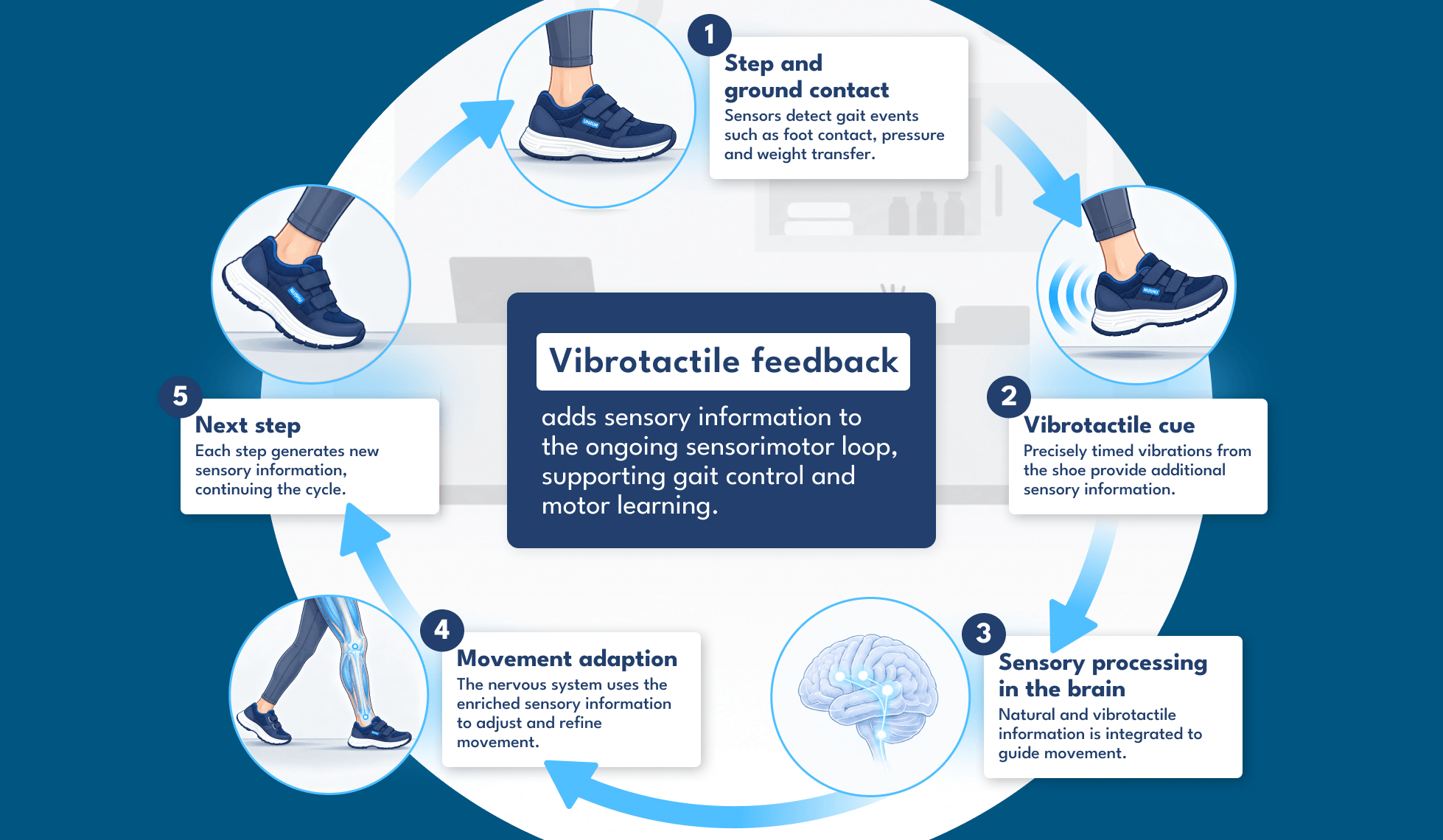
Wearable vibrotactile feedback is one such approach. By delivering precisely timed tactile cues during walking, these systems augment the sensory information available to the nervous system, supporting gait control and motor learning rather than replacing natural movement. A growing body of research demonstrates that vibration can influence proprioception, enhance sensorimotor processing, and improve clinically relevant aspects of gait.
This paper reviews the scientific principles underlying wearable vibrotactile feedback, summarizes the current clinical evidence, and discusses how these findings support the development of wearable rehabilitation technologies for improving gait and functional mobility.
Livres blancs
Walking: How the Nervous System Shapes Every Step
Walking is a fundamental part of everyday life, playing an important role in mobility and independence. Although it often feels automatic, each step requires constant coordination between the nervous system, sensory systems and muscles.
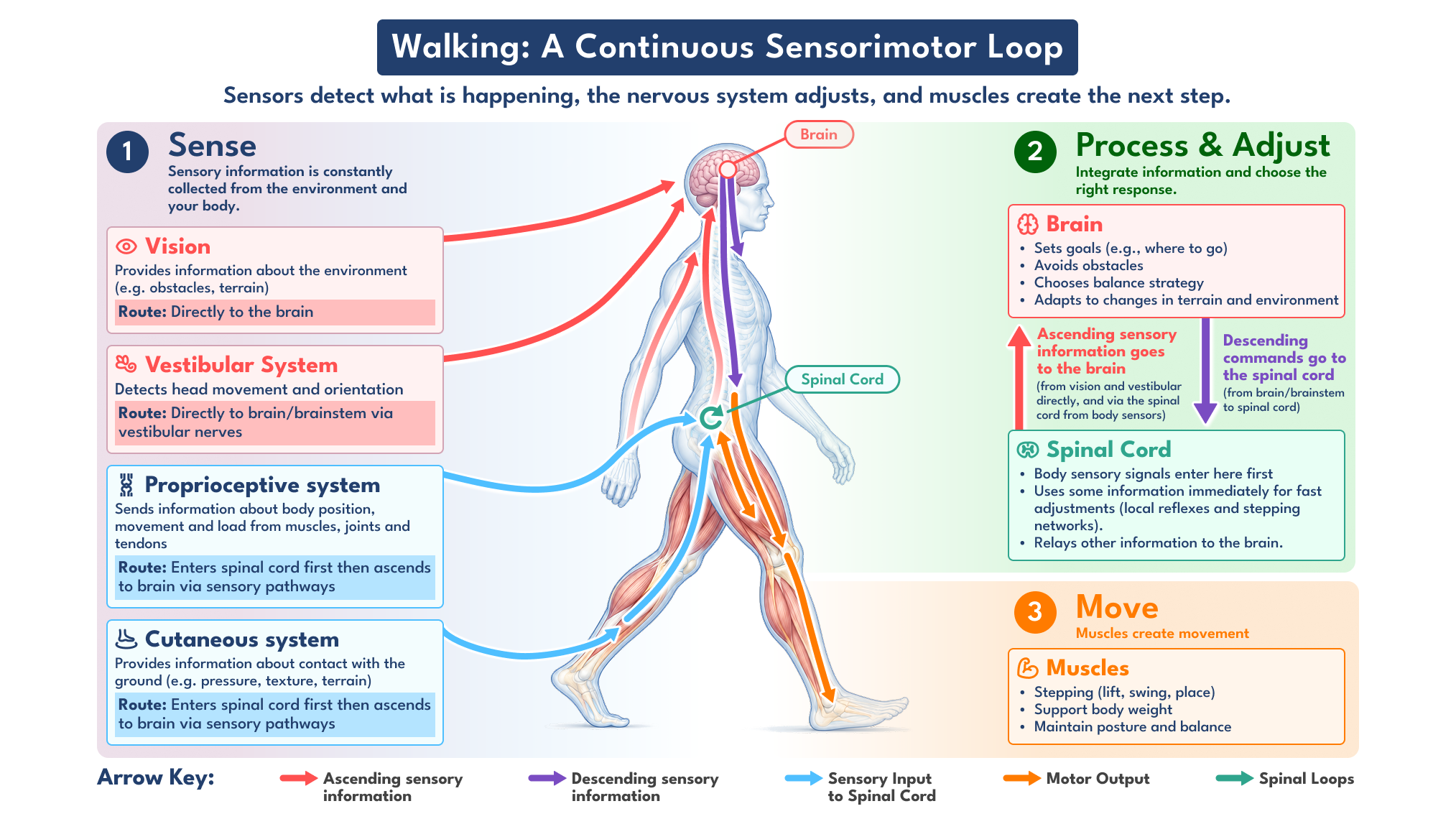
Movement relies on an ongoing sensorimotor loop: the nervous system coordinates movement while receiving continuous sensory feedback from the body and environment to help guide and adapt each step. Changes in gait may result when this communication is affected by neurological injury or disease.
Objective gait measurement can describe characteristics such as walking speed, step length, timing, symmetry and variability. Considering multiple gait parameters and how they change over time can provide a more detailed picture of how a person moves.
Livres blancs
From Perception to Movement
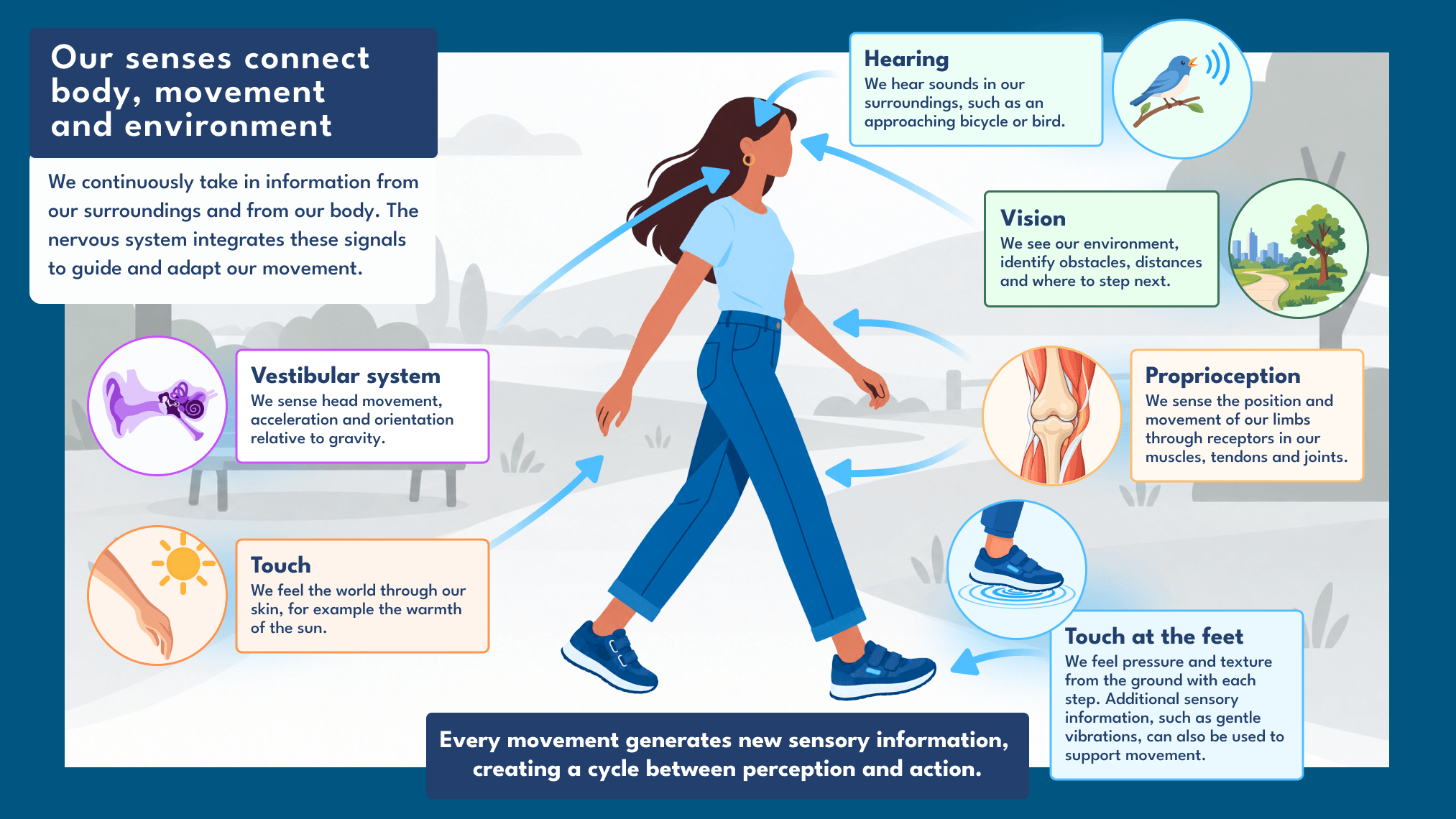
Humans use sensory information continuously to perceive their surroundings, understand the position and movement of their body, and adapt to a changing environment. While sight, hearing, smell, taste, and touch are familiar to most of us, less familiar senses also play an important role in how we move.
Walking is a remarkable example of sensory information working together. Vision provides information about the environment, proprioception about the position and movement of the body, and the vestibular system about movement and orientation. The nervous system continuously integrates this information to guide and adapt movement. Understanding this interaction also introduces the concept of sensory augmentation, in which additional sensory information, such as vibrotactile feedback, can become part of this ongoing exchange.
Livres blancs
What Gait Can Tell Us About Fall Risk
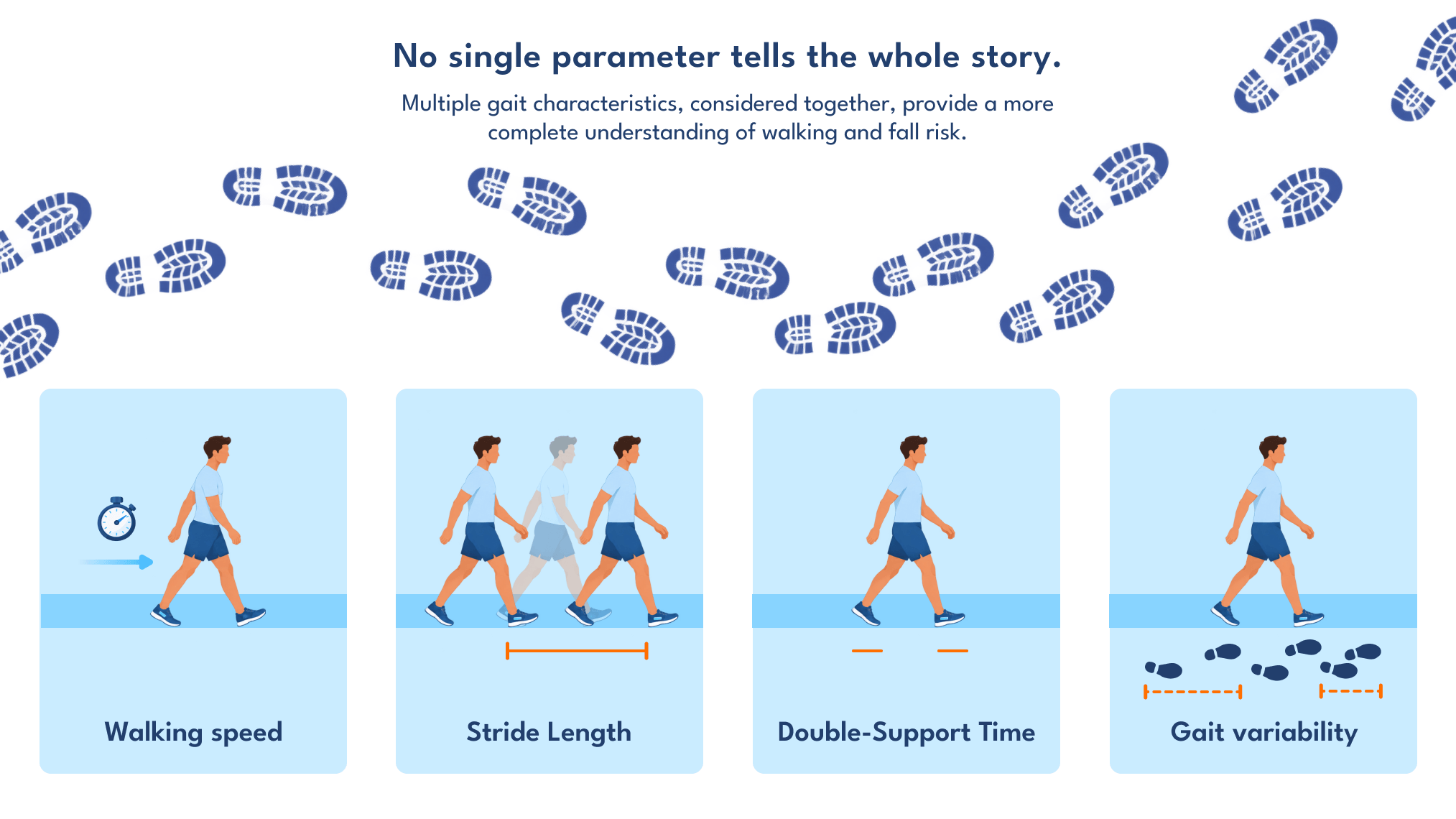
Falls are complex events influenced by many interacting factors. Since walking requires coordination of balance, sensory information, muscle function, attention, and movement, changes in gait can provide measurable data about how a person walks. Research has identified several gait characteristics associated with an increased risk of falling, including slower walking speed, shorter steps and strides, longer double-support time, and greater gait variability.
However, no single gait parameter can determine whether someone will fall. Instead, gait measurements provide different pieces of information about walking performance. Considering multiple gait characteristics, documenting how they change over time, and measuring gait during standardized assessments and everyday walking provides a broader picture of how a person moves.
Scafa S, de Seta V, Wang R, Sanchez Lopez P, Sanchez Lopez A, Varescon C, et al. Nat Med 2026;32(8):2815-2830. An adaptive deep brain stimulation strategy that adjusts to activity and improves gait in Parkinson's disease. NUSHU was used to capture gait in this study.
Lopez PS, Wang R, Varescon C, Schaer A, Ergeneman O, Chatzipirpiridis G, et al. 2025 47th Annual International Conference of the IEEE Engineering in Medicine and Biology Society (EMBC):1-5. A wearable platform that maps motor and neural biomarkers of gait dysfunction in people with Parkinson's disease across daily life.
Wu J, Becsek B, Schaer A, Maurenbrecher H, Chatzipirpiridis G, Ergeneman O, et al. IEEE J Biomed Health Inform 2023;27(3):1295-1306. Gait phase detection that runs in real time on the wearable itself, validated on free-living gait outside the laboratory.
Recherche évaluée par les pairs
Publications
La technologie de NUSHU repose sur une recherche scientifique rigoureuse et une validation clinique. Nous collaborons avec des institutions de recherche de premier plan et des professionnels de la santé du monde entier pour faire progresser la compréhension du mouvement humain et améliorer les résultats en matière de mobilité.
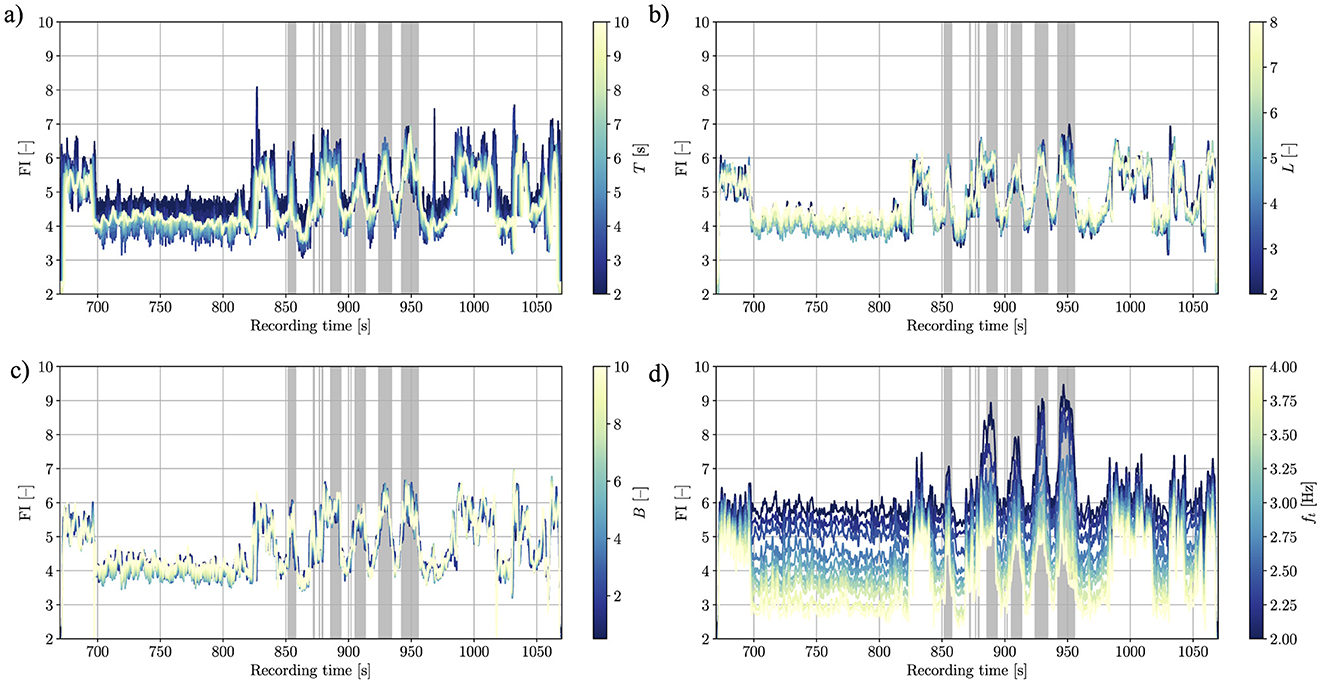
Des méthodes automatiques de détection du FOG utilisant l'indice de blocage (FI) ont été largement proposées pour surveiller systématiquement le FOG dans la vie réelle et orienter l'optimisation des thérapies. Cependant, les méthodes d'estimation du FI se sont appuyées sur un large éventail de technologies de mesure et de méthodologies computationnelles, manquant souvent de rigueur mathématique. Ce manque de standardisation a gravement entravé l'acceptation du FI par les agences réglementaires en tant que mesure reproductible, robuste, efficace et sûre sur laquelle baser de futurs développements. Dans cette étude, nous formalisons la définition du FI et proposons un algorithme d'estimation rigoureux et explicite, qui pourrait servir de norme pour les applications futures. Cette standardisation fournit un étalon cohérent et fiable.
La détérioration de la marche peut être utilisée comme biomarqueur du vieillissement et des maladies neurologiques.
La surveillance et l'analyse continues de la marche sont essentielles pour la détection précoce des déficits et la réha-
bilitation personnalisée. L'utilisation de systèmes de capteurs inertiels mobiles et portables pour la surveillance et l'analyse de la marche a
été largement explorée avec des résultats prometteurs dans la littérature. Dans ce travail, nous avons développé un
système d'analyse de la marche intégré à la chaussure basé sur des capteurs inertiels pour la surveillance de la marche en temps réel et avons étudié la
fréquence d'échantillonnage optimale pour capturer toutes les informations sur les schémas de marche. Une étude de valida-
tion exploratoire a été réalisée à l'aide d'un système de capture de mouvement optique sur quatre sujets adultes sains.
Les systèmes de capture de mouvement sont largement acceptés comme référence pour l'analyse de la marche et sont utilisés pour la validation d'autres systèmes d'analyse de la marche. À ce jour, leur fiabilité et leurs limites dans l'étiquetage manuel des événements de la marche n'ont pas été étudiées.
Objectifs : Évaluer l'incertitude de l'étiquetage manuel et introduire un modèle hybride de détection de la foulée et d'estimation des événements de la marche pour une surveillance autonome, à long terme et à distance.
Méthodes : Estimer les incohérences entre les étiqueteurs en calculant les limites d'accord. Développer un modèle hybride basé sur la déformation temporelle dynamique et le réseau neuronal convolutif pour identifier les foulées valides et éliminer les données non-foulées dans les données inertielles (de marche) collectées par un appareil portable. Enfin, détecter les événements de la marche dans une région de foulée valide.
Livres blancs
Nous ajouterons bientôt une collection de nos livres blancs.