Publications & White Papers
Everything we have published and written up: peer-reviewed publications, conference findings and white papers, newest first.
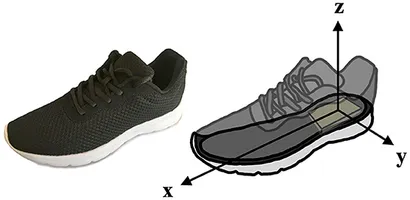
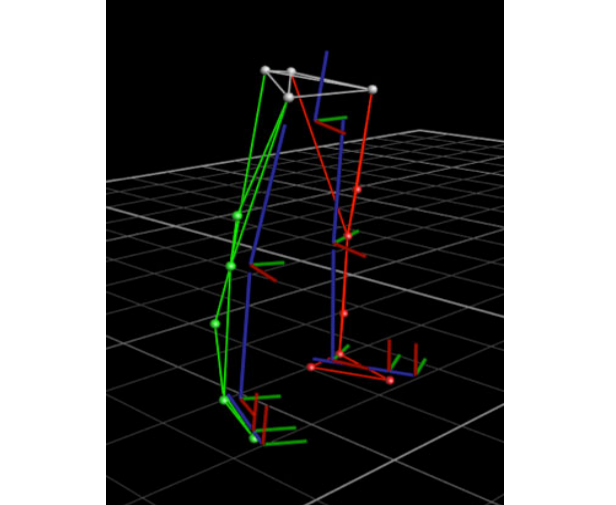
A Smart Shoe System for Gait Analysis and Remote Monitoring in Parkinson's Disease - A Validation Study
Maddumage Dona S, Sullivan K, Lehn A, Kalyani N, Prins D, Kerr G. Sensors 2026;26(14):4446. A validation of NUSHU's spatiotemporal gait parameters against Vicon motion capture, in people…
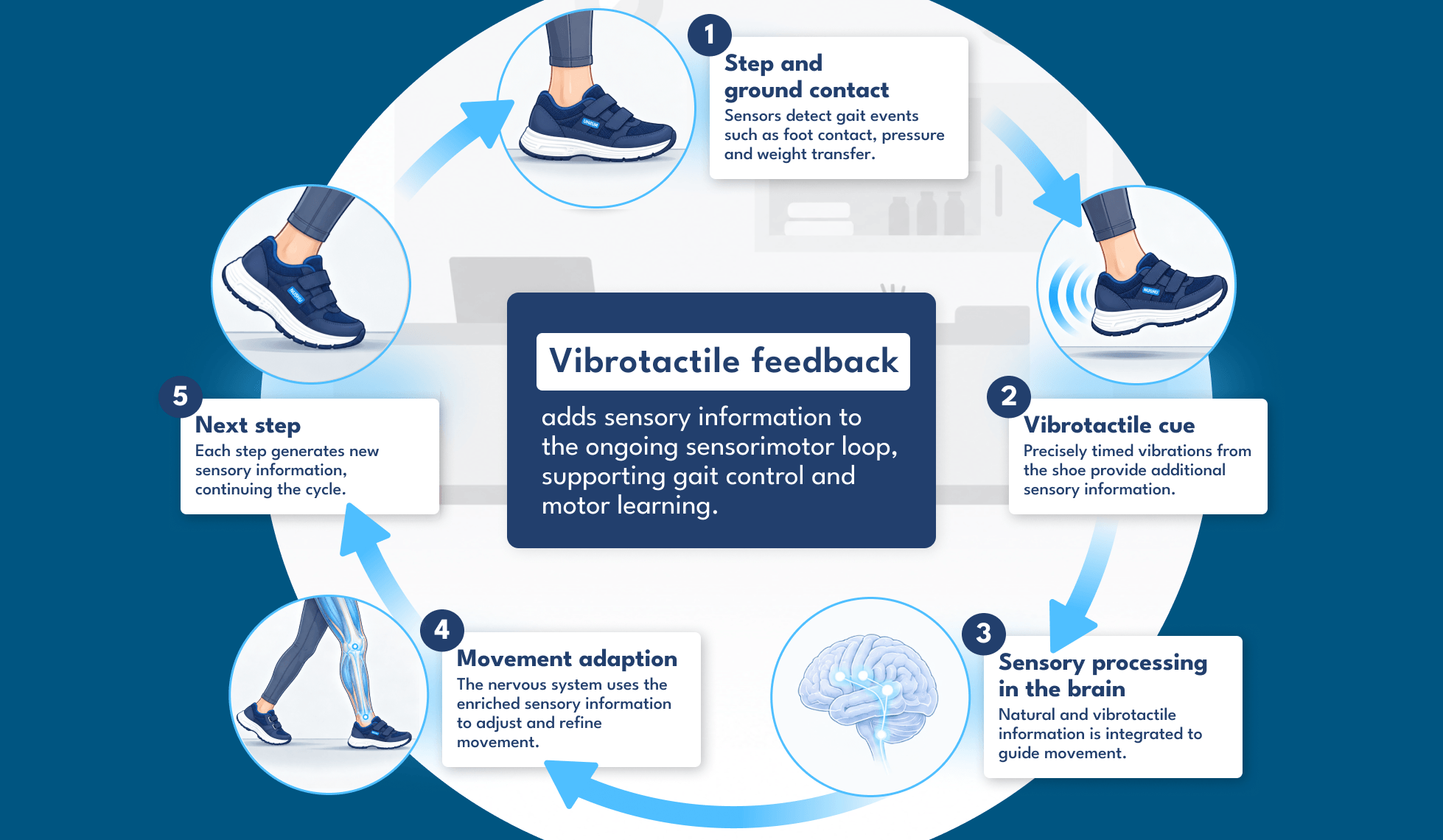
Vibrotactile Feedback for Gait Rehabilitation
How precisely timed tactile cues augment the sensory information available during walking, what the clinical evidence shows, and what that means for wearable gait rehabilitation.
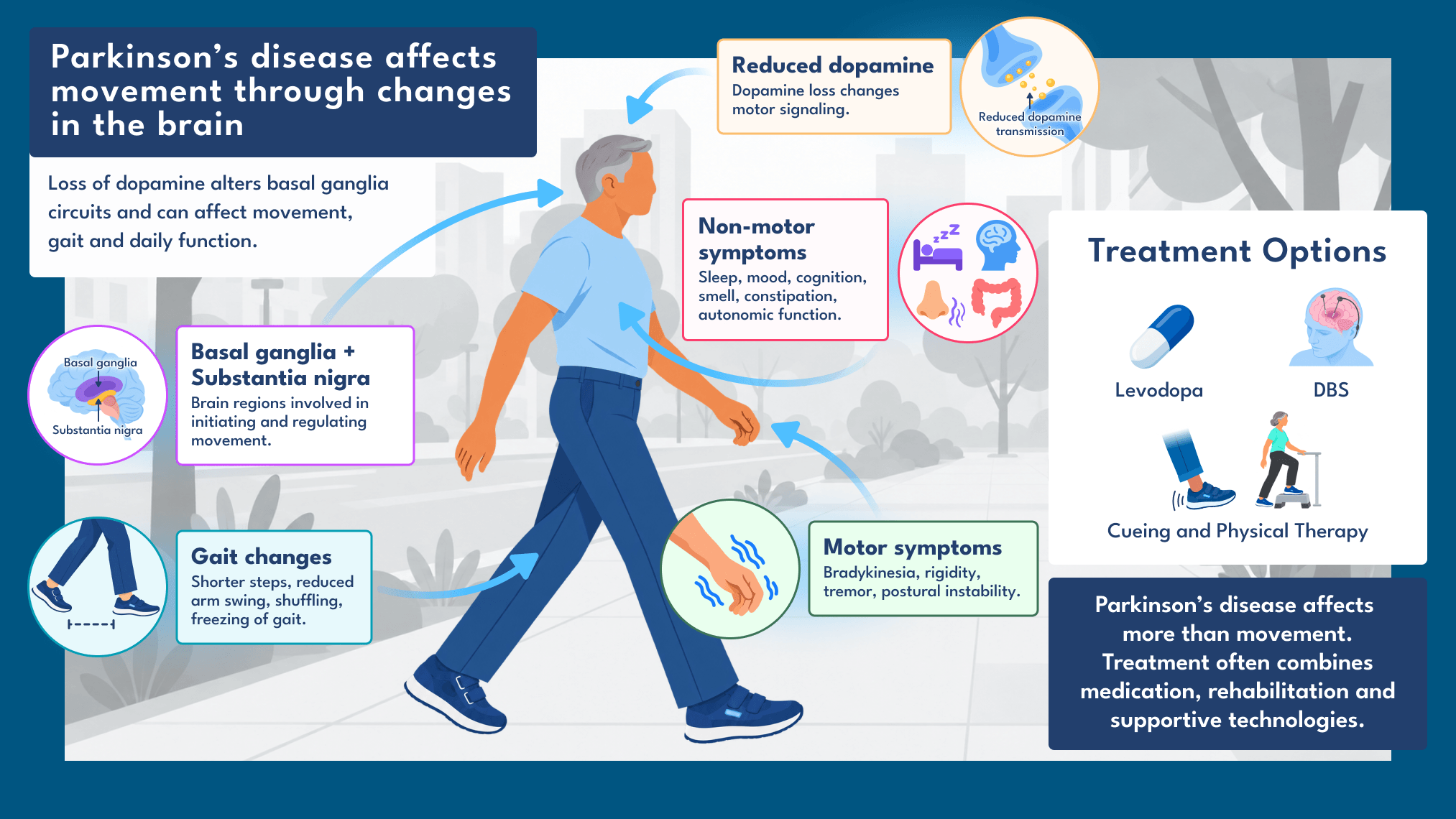
Parkinson’s Disease
Understanding how changes in the brain affect symptoms, movement, and treatment.
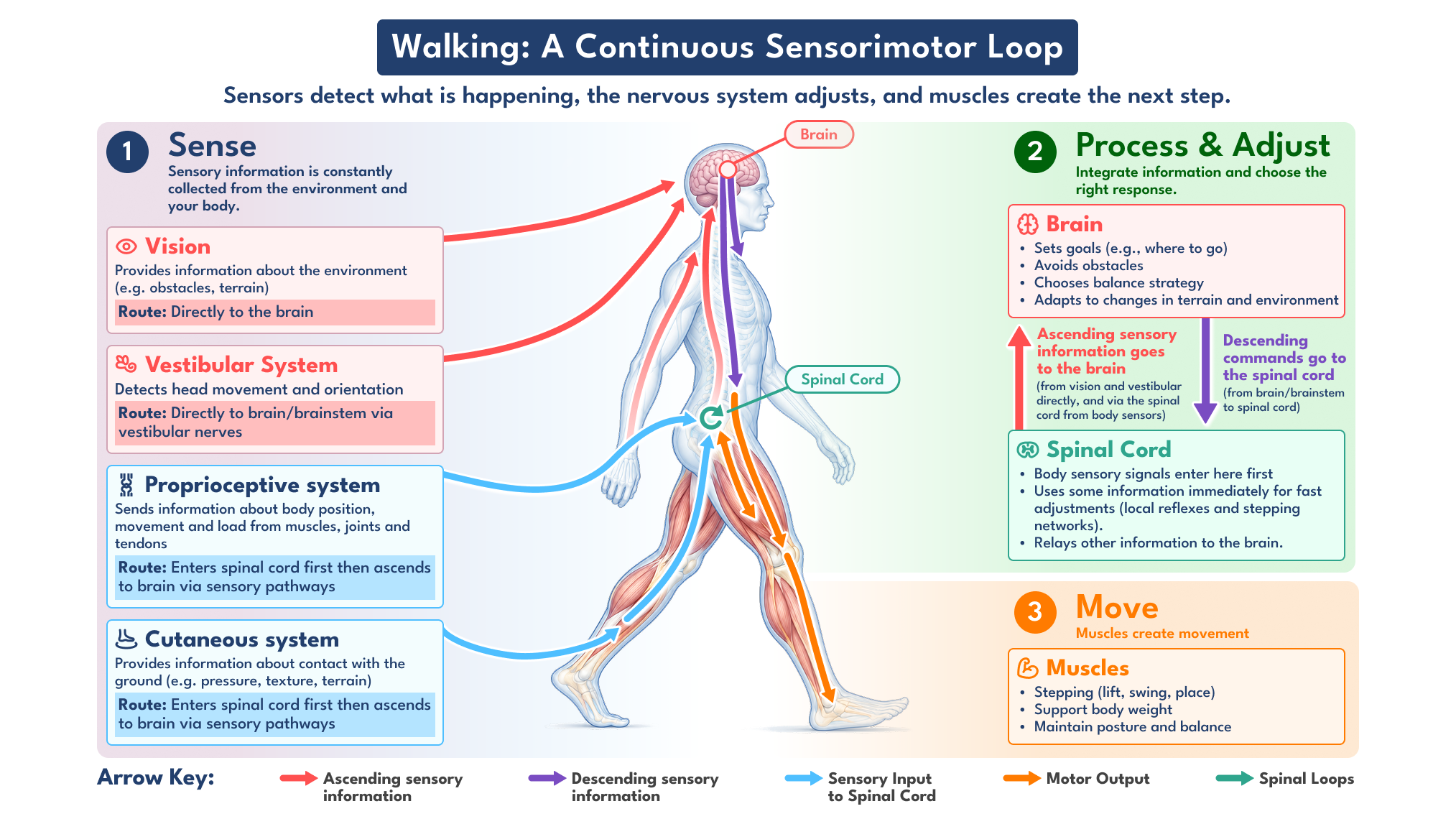
Walking: How the Nervous System Shapes Every Step
What happens between intention and movement, and what objective gait measurement can describe about how a person walks.
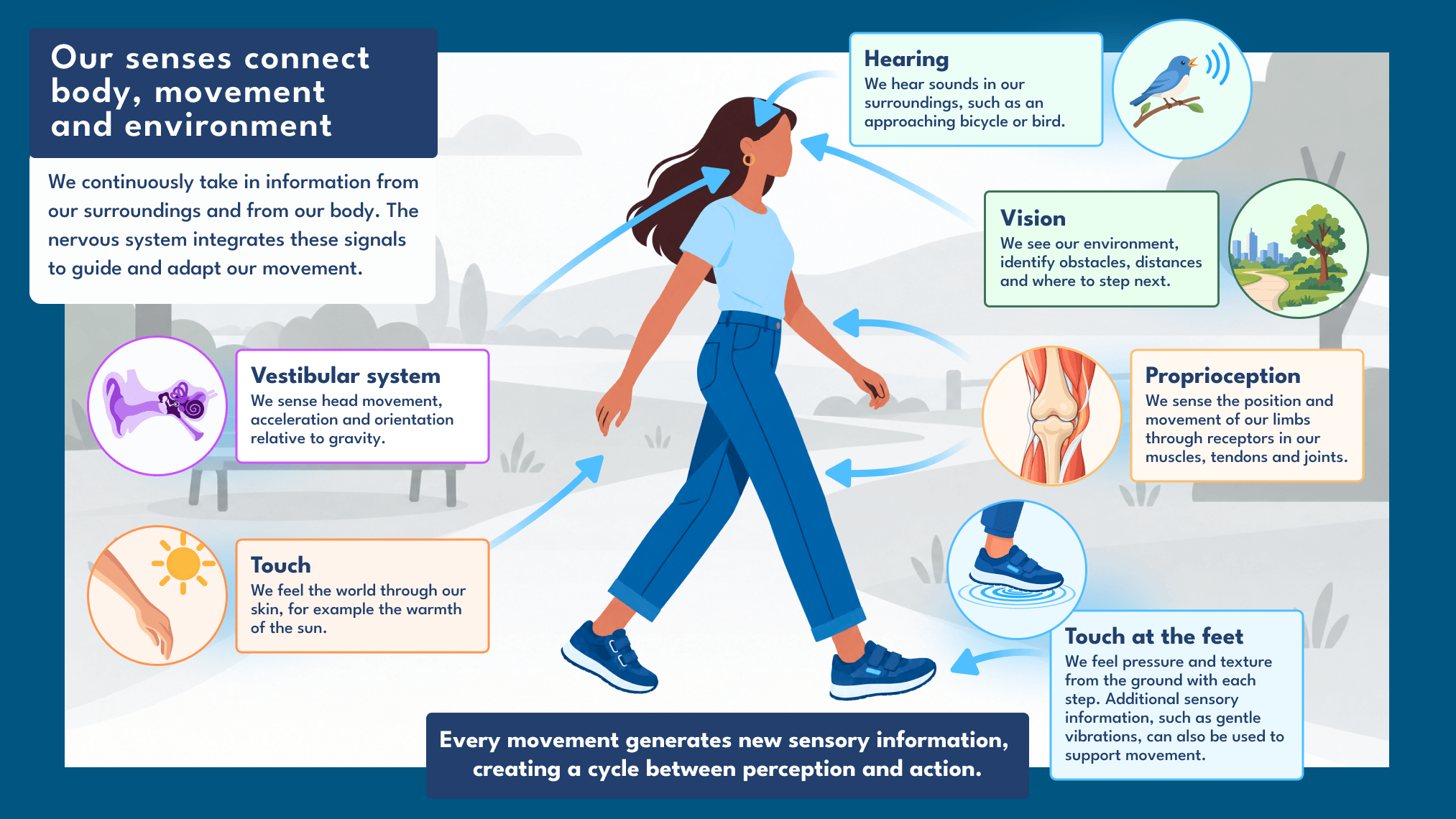
From Perception to Movement
The senses behind movement - proprioception, the vestibular system and vision - and how sensory augmentation joins that exchange.
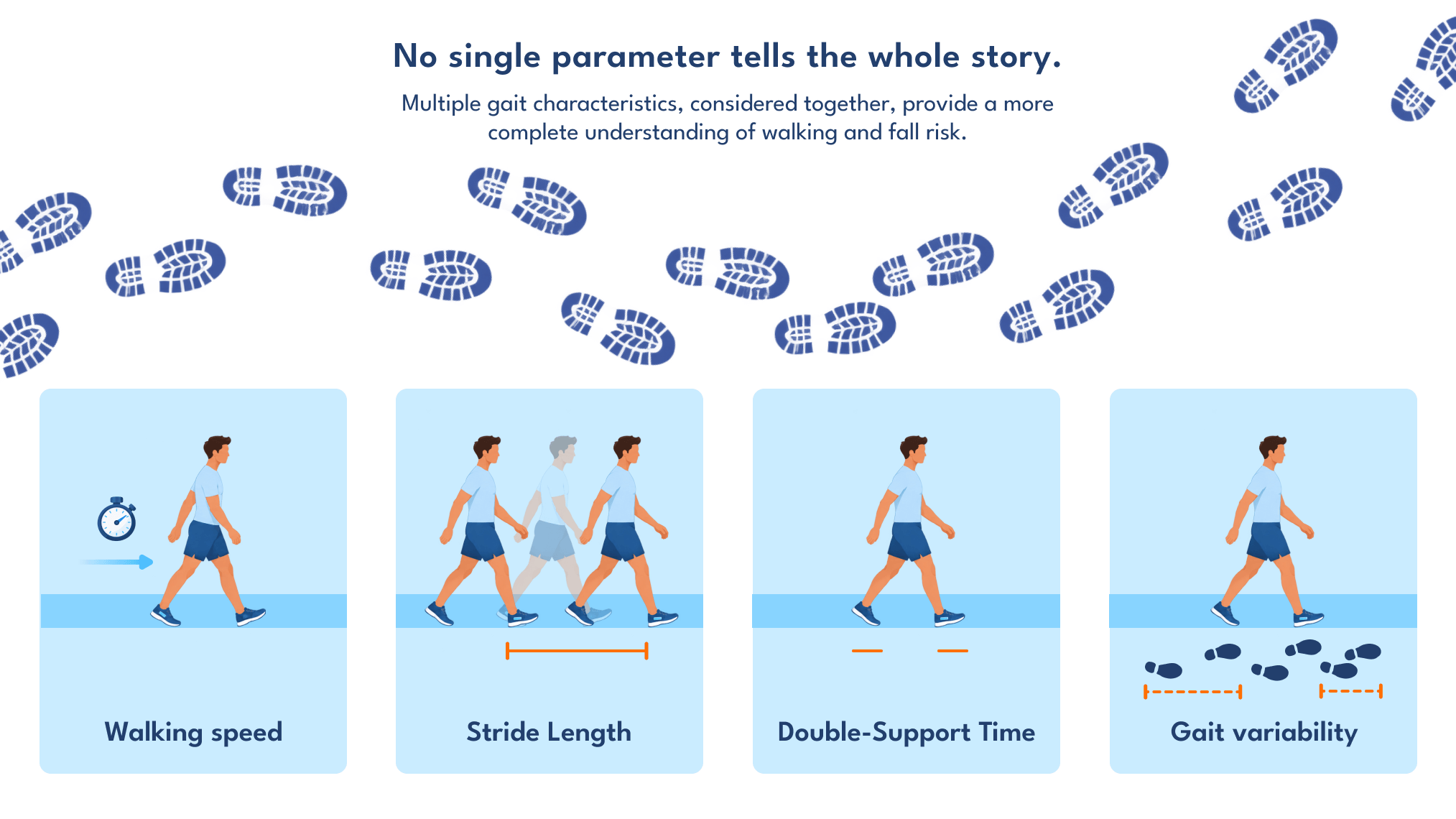
What Gait Can Tell Us About Fall Risk
Understanding gait characteristics associated with an increased risk of falling, and why no single parameter tells the whole story.
Activity-dependent adaptive deep brain stimulation improves gait in Parkinson's disease
Scafa S, de Seta V, Wang R, Sanchez Lopez P, Sanchez Lopez A, Varescon C, et al. Nat Med 2026;32(8):2815-2830. An adaptive…
A Wearable Neuromonitoring Platform to Map Motor and Neural Biomarkers of Gait Dysfunction in People with Parkinson's Disease across Daily Life
Lopez PS, Wang R, Varescon C, Schaer A, Ergeneman O, Chatzipirpiridis G, et al. 2025 47th Annual International Conference of the IEEE…
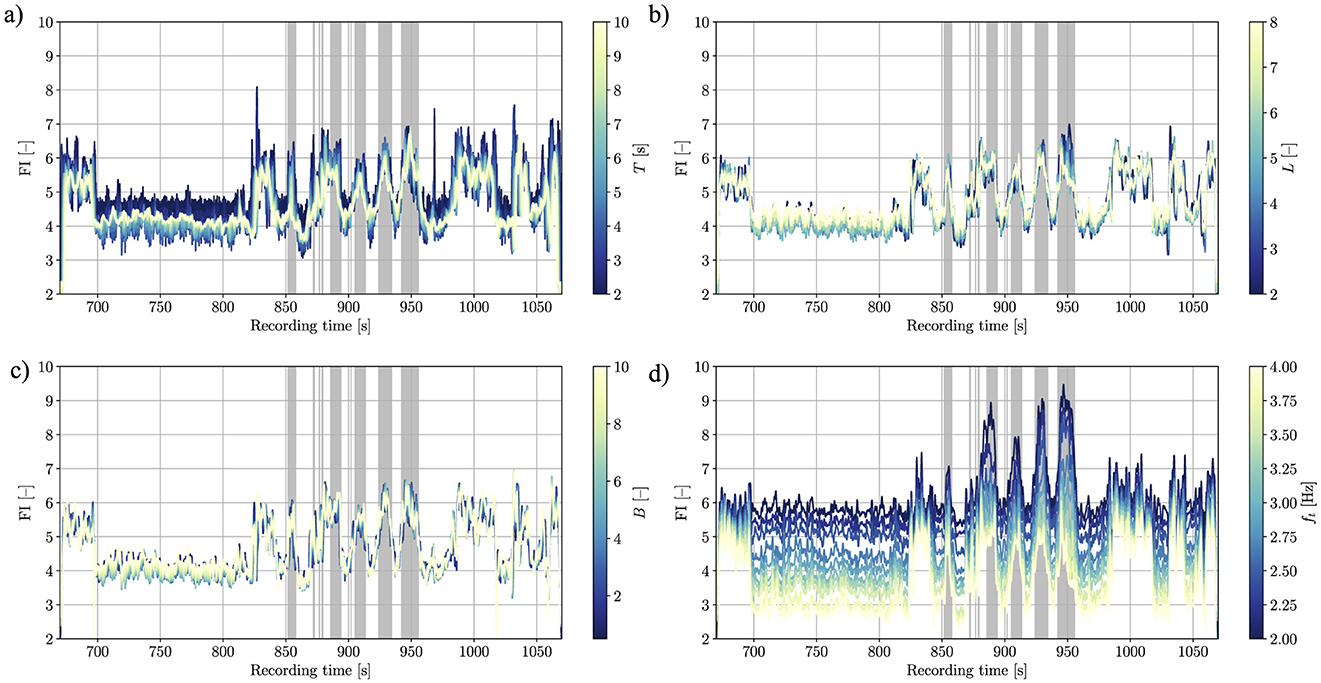
Toward a unified gait freeze index: a standardized benchmark for clinical and regulatory evaluations
Automatic methods for detecting FOG using the freeze index (FI) have been widely proposed to systematically monitor FOG in real life and…
Real-Time Gait Phase Detection on Wearable Devices for Real-World Free-Living Gait
Wu J, Becsek B, Schaer A, Maurenbrecher H, Chatzipirpiridis G, Ergeneman O, et al. IEEE J Biomed Health Inform 2023;27(3):1295-1306. Gait phase…
Human gait-labeling uncertainty and a hybrid model for gait segmentation
Motion capture systems are widely accepted as ground-truth for gait analysis and are used for the validation of other gait analysis systems.…
An Intelligent In‐Shoe System for Gait Monitoring and
Analysis with Optimized Sampling and Real‐Time
Visualization Capabilities
The deterioration of gait can be used as a biomarker for ageing and neurological diseases. Continuous gait monitoring and analysis are essential…